European Investment Platform
2020-2022
Financial Services
Product Design
Designing for Scale
European Investment Platform
2020-2022
Financial Services
Product Design
Designing for Scale
European Investment Platform
2020-2022
Financial Services
Product Design
Designing for Scale
Note: This project is protected by NDA. Client details and designs have been anonymized. Images and videos are replaced by dummies. This case study demonstrates our approach and methodology through a representative example.
Note: This project is protected by NDA. Client details and designs have been anonymized. Images and videos are replaced by dummies. This case study demonstrates our approach and methodology through a representative example.
Note: This project is protected by NDA. Client details and designs have been anonymized. Images and videos are replaced by dummies. This case study demonstrates our approach and methodology through a representative example.
A leading European investment platform had built a powerful white-label solution used by more than 30 banks across Germany. The technology was solid, the business model was working, but as the platform grew, so did its complexity. The platform had evolved organically over several years. Every new partner brought custom requests. Each customization made sense in isolation, but collectively, they created a system that was becoming increasingly difficult to manage. Design components had variations that, while well-intentioned, added maintenance overhead. Both design files and codebase reflected this organic growth, comprehensive but complex and made updates cumbersome and slow. The client’s strength was deep financial expertise, which gave them understanding of their market. What they needed now was a product design expertise that could bring consistency and speed by streamlining the growing complexity as design and development timelines were taking longer than expected.
A leading European investment platform had built a powerful white-label solution used by more than 30 banks across Germany. The technology was solid, the business model was working, but as the platform grew, so did its complexity. The platform had evolved organically over several years. Every new partner brought custom requests. Each customization made sense in isolation, but collectively, they created a system that was becoming increasingly difficult to manage. Design components had variations that, while well-intentioned, added maintenance overhead. Both design files and codebase reflected this organic growth, comprehensive but complex and made updates cumbersome and slow. The client’s strength was deep financial expertise, which gave them understanding of their market. What they needed now was a product design expertise that could bring consistency and speed by streamlining the growing complexity as design and development timelines were taking longer than expected.
A leading European investment platform had built a powerful white-label solution used by more than 30 banks across Germany. The technology was solid, the business model was working, but as the platform grew, so did its complexity. The platform had evolved organically over several years. Every new partner brought custom requests. Each customization made sense in isolation, but collectively, they created a system that was becoming increasingly difficult to manage. Design components had variations that, while well-intentioned, added maintenance overhead. Both design files and codebase reflected this organic growth, comprehensive but complex and made updates cumbersome and slow. The client’s strength was deep financial expertise, which gave them understanding of their market. What they needed now was a product design expertise that could bring consistency and speed by streamlining the growing complexity as design and development timelines were taking longer than expected.
Our Approach
Keen Perception: Understanding the Challenge
Our Approach
Keen Perception: Understanding the Challenge
Our Approach
Keen Perception: Understanding the Challenge
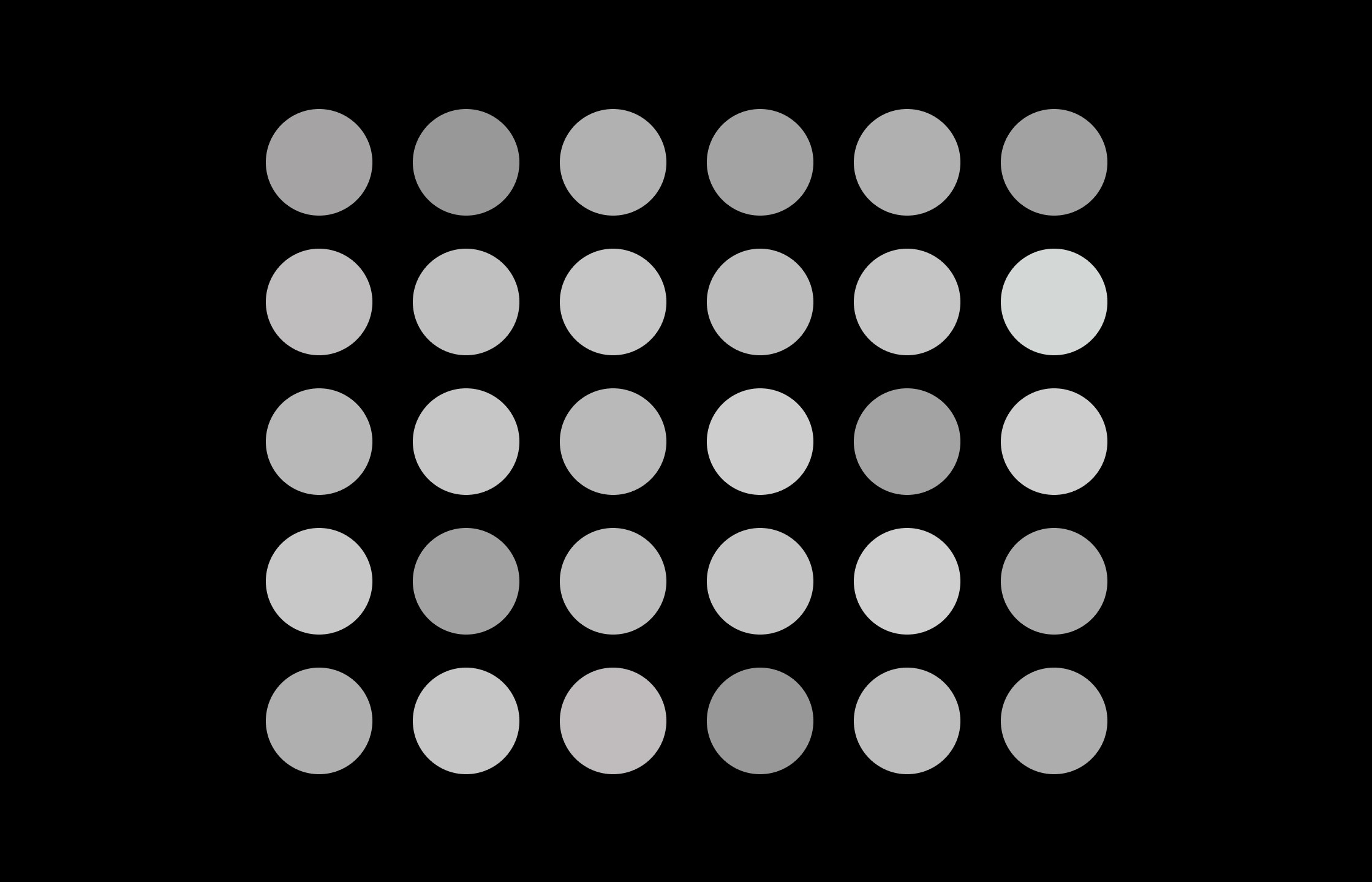
Before simplification: 30 subtly different body text colors adding maintenance overhead
Before simplification: 30 subtly different body text colors adding maintenance overhead
Before simplification: 30 subtly different body text colors adding maintenance overhead
The immediate challenge was clear: too many variations creating maintenance overhead. But we needed to understand why this complexity had emerged and how to address it systematically.
01
The platform's strength was its financial expertise - adding product design systems was a natural complement
02
Many customizations had been implemented to meet specific client requests over time
03
Some variations served important purposes, while others could be consolidated without impact
04
The differences between certain customizations were minimal enough that standardization wouldn't affect user experience
The path forward wasn't just about creating documentation. It required building a systematic approach that would give the team clarity on when to customize and when to standardize.
The immediate challenge was clear: too many variations creating maintenance overhead. But we needed to understand why this complexity had emerged and how to address it systematically.
01
The platform's strength was its financial expertise - adding product design systems was a natural complement
02
Many customizations had been implemented to meet specific client requests over time
03
Some variations served important purposes, while others could be consolidated without impact
04
The differences between certain customizations were minimal enough that standardization wouldn't affect user experience
The path forward wasn't just about creating documentation. It required building a systematic approach that would give the team clarity on when to customize and when to standardize.
The immediate challenge was clear: too many variations creating maintenance overhead. But we needed to understand why this complexity had emerged and how to address it systematically.
01
The platform's strength was its financial expertise - adding product design systems was a natural complement
02
Many customizations had been implemented to meet specific client requests over time
03
Some variations served important purposes, while others could be consolidated without impact
04
The differences between certain customizations were minimal enough that standardization wouldn't affect user experience
The path forward wasn't just about creating documentation. It required building a systematic approach that would give the team clarity on when to customize and when to standardize.
Our Approach
Focused Clarity: Building the Foundation
Our Approach
Focused Clarity: Building the Foundation
Our Approach
Focused Clarity: Building the Foundation
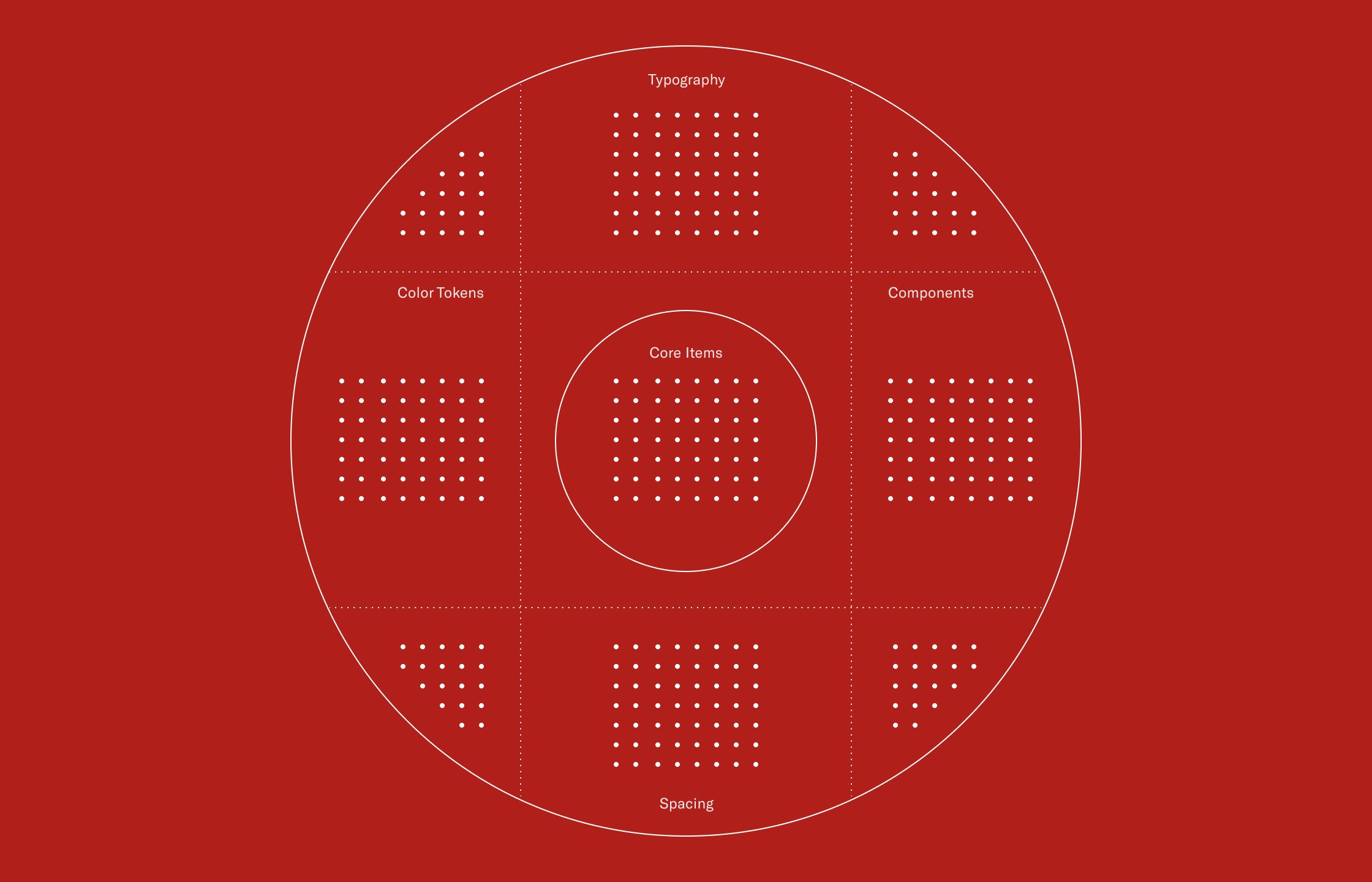
Simplifying and recategorizing each section
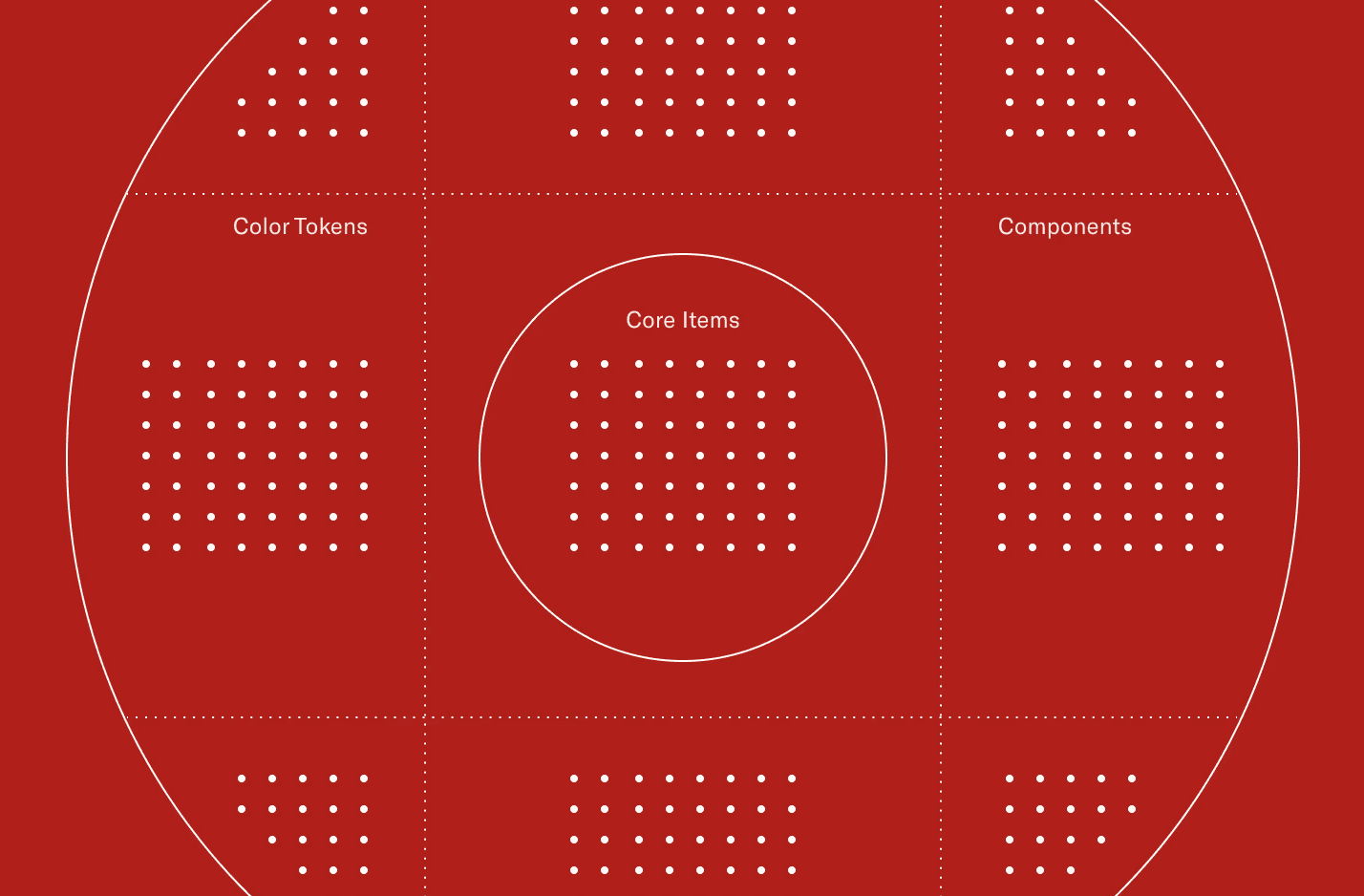
Simplifying and recategorizing each section
Simplifying and recategorizing each section
We started by mapping the full design ecosystem: from color tokens to component patterns across active bank implementations. Patterns quickly emerged. Some differences were purposeful; others were legacy artifacts that no longer served real user needs. Working closely with stakeholders, we built a clear case for consolidation. Where variations didn’t affect user experience, we standardized them. We introduced unified color, typography, and component rules, supported with evidence of the time and maintenance they would save.
We started by mapping the full design ecosystem: from color tokens to component patterns across active bank implementations. Patterns quickly emerged. Some differences were purposeful; others were legacy artifacts that no longer served real user needs. Working closely with stakeholders, we built a clear case for consolidation. Where variations didn’t affect user experience, we standardized them. We introduced unified color, typography, and component rules, supported with evidence of the time and maintenance they would save.
We started by mapping the full design ecosystem: from color tokens to component patterns across active bank implementations. Patterns quickly emerged. Some differences were purposeful; others were legacy artifacts that no longer served real user needs. Working closely with stakeholders, we built a clear case for consolidation. Where variations didn’t affect user experience, we standardized them. We introduced unified color, typography, and component rules, supported with evidence of the time and maintenance they would save.
Our Process
Building the System
Our Process
Building the System
Our Process
Building the System
We developed a living design system: practical, documented, and easy for designers and developers to adopt. It wasn’t about locking creativity down; it was about giving teams a shared language and reusable foundations to move faster. We worked closely with engineering to ensure specs held up in code, iterating together until components worked seamlessly across environments.
We developed a living design system: practical, documented, and easy for designers and developers to adopt. It wasn’t about locking creativity down; it was about giving teams a shared language and reusable foundations to move faster. We worked closely with engineering to ensure specs held up in code, iterating together until components worked seamlessly across environments.
We developed a living design system: practical, documented, and easy for designers and developers to adopt. It wasn’t about locking creativity down; it was about giving teams a shared language and reusable foundations to move faster. We worked closely with engineering to ensure specs held up in code, iterating together until components worked seamlessly across environments.
Our Process
Enabling Ownership
Our Process
Enabling Ownership
Our Process
Enabling Ownership
Beyond the system itself, we ran workshops to embed the mindset behind it. Teams learned how to decide when to customize and when to rely on system standards. By project’s end, design and development were aligned around a simpler, more sustainable workflow.
Beyond the system itself, we ran workshops to embed the mindset behind it. Teams learned how to decide when to customize and when to rely on system standards. By project’s end, design and development were aligned around a simpler, more sustainable workflow.
Beyond the system itself, we ran workshops to embed the mindset behind it. Teams learned how to decide when to customize and when to rely on system standards. By project’s end, design and development were aligned around a simpler, more sustainable workflow.
The Outcome
Building a Living System
The Outcome
Building a Living System
The Outcome
Building a Living System
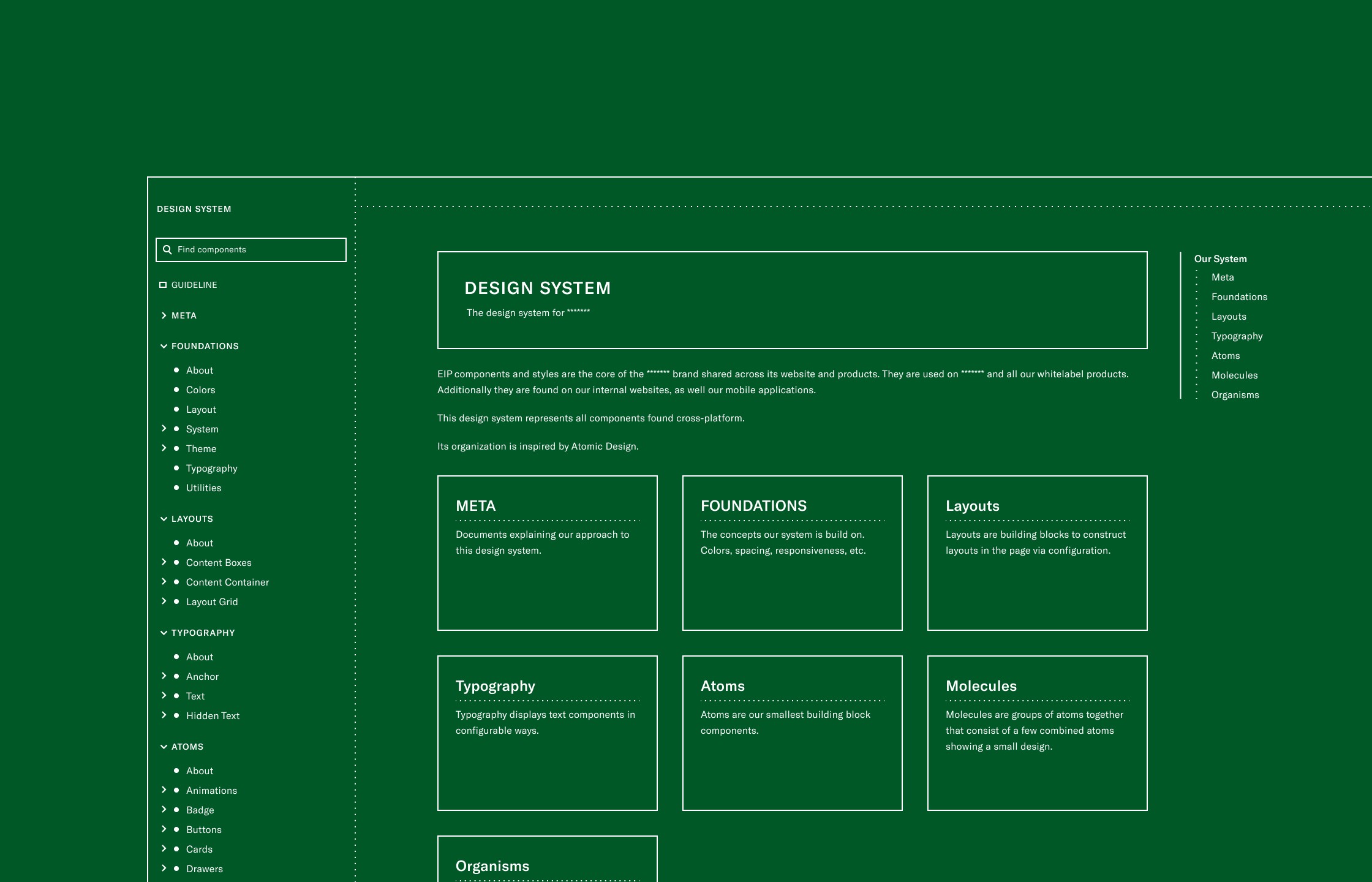
The developed design system
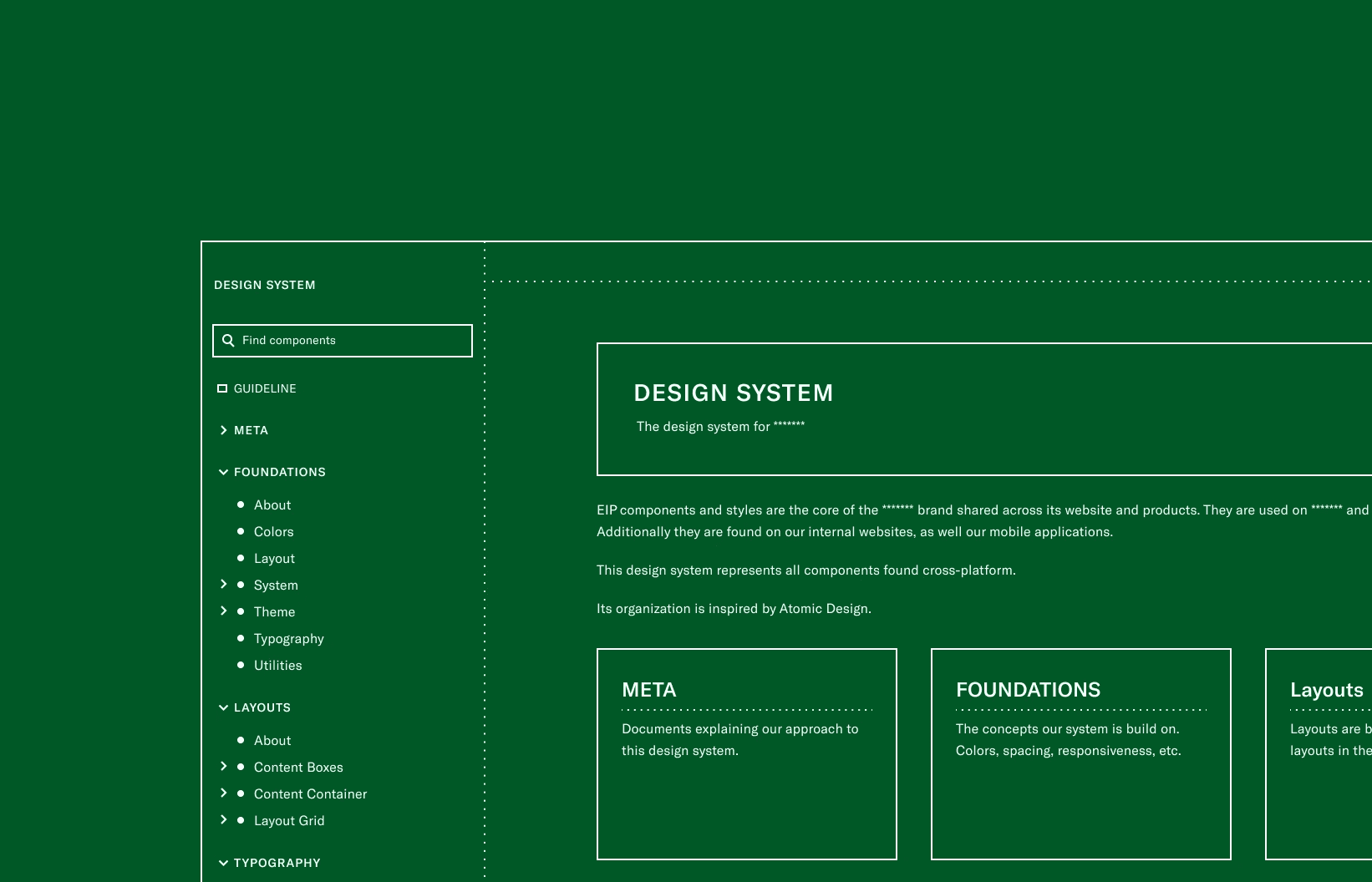
The developed design system
The developed design system
Efficiency improved dramatically. Tasks that once took weeks shrank to days. Maintenance cycles shortened, releases became smoother, and the team gained confidence in scaling new features. The efficiency gains translated to cost savings. With the reduction in design and development time, the team could allocate resources more effectively and move faster on new features. The team's response was positive. The system made their work more efficient and gave them clear frameworks to follow. Most importantly, they continued building on the foundation after our engagement concluded. The system became integrated into their workflow, evolving as their needs evolved. This project reinforced that design systems are as much about process as they are about components. When implemented thoughtfully, they don't constrain creativity. They free teams to focus on solving problems rather than managing complexity. The platform continues to serve 30+ banks with a more sustainable foundation, demonstrating that systematic simplification creates room for growth.
Efficiency improved dramatically. Tasks that once took weeks shrank to days. Maintenance cycles shortened, releases became smoother, and the team gained confidence in scaling new features. The efficiency gains translated to cost savings. With the reduction in design and development time, the team could allocate resources more effectively and move faster on new features. The team's response was positive. The system made their work more efficient and gave them clear frameworks to follow. Most importantly, they continued building on the foundation after our engagement concluded. The system became integrated into their workflow, evolving as their needs evolved. This project reinforced that design systems are as much about process as they are about components. When implemented thoughtfully, they don't constrain creativity. They free teams to focus on solving problems rather than managing complexity. The platform continues to serve 30+ banks with a more sustainable foundation, demonstrating that systematic simplification creates room for growth.
Efficiency improved dramatically. Tasks that once took weeks shrank to days. Maintenance cycles shortened, releases became smoother, and the team gained confidence in scaling new features. The efficiency gains translated to cost savings. With the reduction in design and development time, the team could allocate resources more effectively and move faster on new features. The team's response was positive. The system made their work more efficient and gave them clear frameworks to follow. Most importantly, they continued building on the foundation after our engagement concluded. The system became integrated into their workflow, evolving as their needs evolved. This project reinforced that design systems are as much about process as they are about components. When implemented thoughtfully, they don't constrain creativity. They free teams to focus on solving problems rather than managing complexity. The platform continues to serve 30+ banks with a more sustainable foundation, demonstrating that systematic simplification creates room for growth.
Case Studies
More Case Studies to Explore
Case Studies
More Case Studies to Explore
Case Studies
More Case Studies to Explore
Contact